
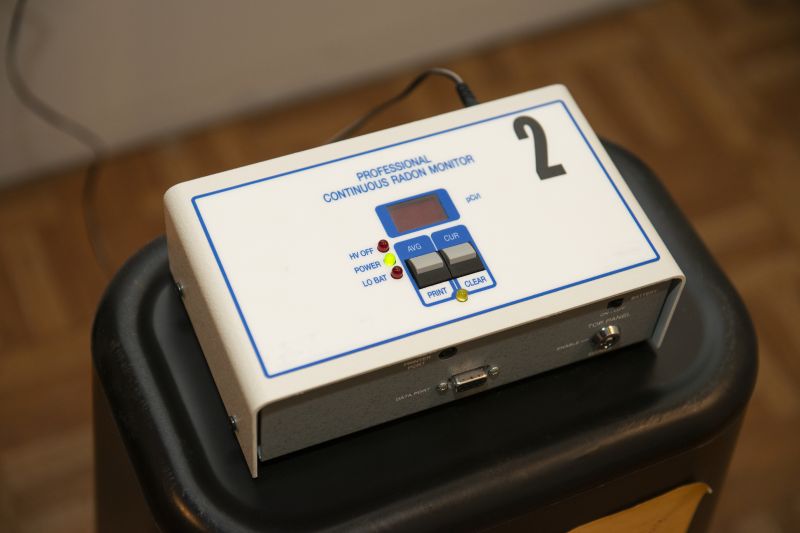
Radon Removal in Naperville, IL
Radon removal services focus on reducing radon gas levels inside residential properties, helping homeowners create safer indoor environments. This service involves installing specialized ventilation systems that draw radon from beneath the home and vent it outside, preventing it from accumulating indoors. Projects typically include both new construction and existing homes where radon testing has indicated elevated levels, ensuring that indoor air quality is maintained at safe standards.
Property owners interested in radon removal often want to understand the process involved, the effectiveness of mitigation systems, and whether testing is necessary beforehand. It’s important to determine current radon levels through testing, as well as to consider the home’s foundation type and ventilation needs. Proper installation and maintenance of radon mitigation systems are essential for ongoing safety, making it useful to seek guidance on system performance and any potential impact on the home’s airflow.
Many property owners in Naperville, IL look into Radon Removal for repairs, replacements, upgrades, and appearance-related improvements.
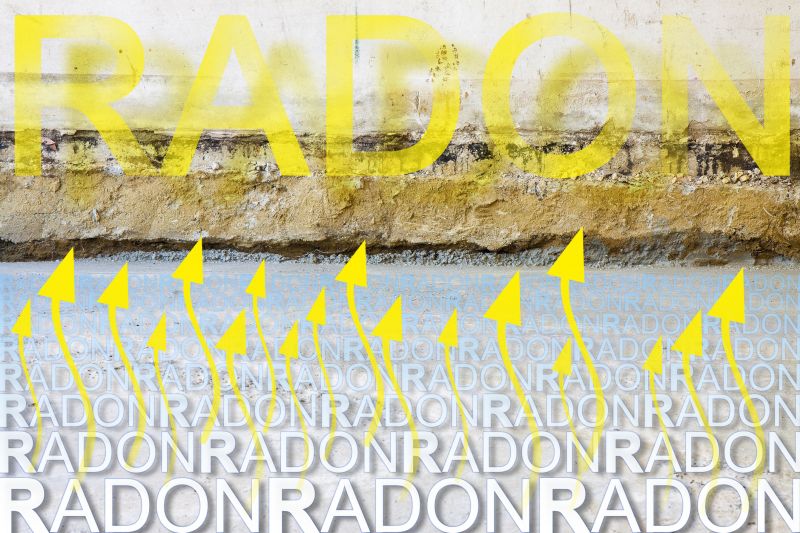
Understanding Radon Risks
Radon can accumulate indoors and pose health risks for homeowners in naperville, il.
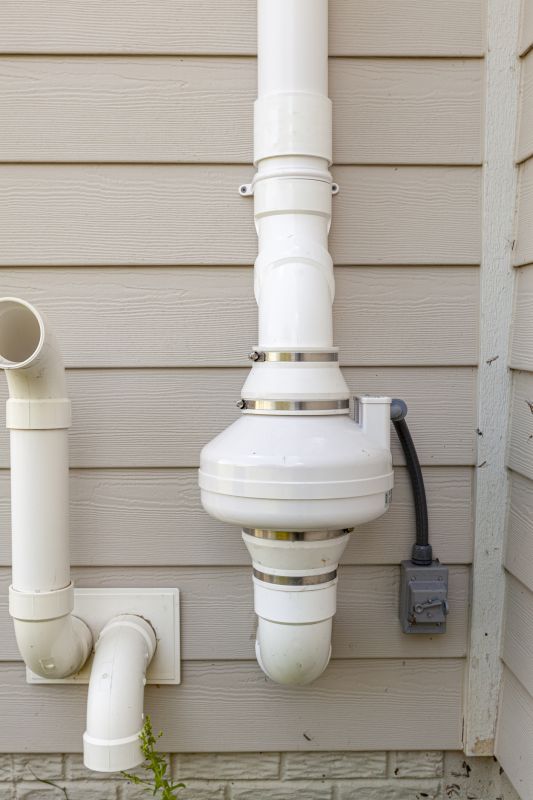
Radon Detection Solutions
Effective testing methods identify elevated radon levels in residential and commercial properties.
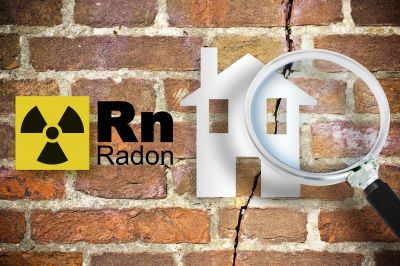
Radon Mitigation Options
Professional removal systems reduce radon levels to create safer indoor environments in naperville homes.
Radon Removal in Naperville, IL
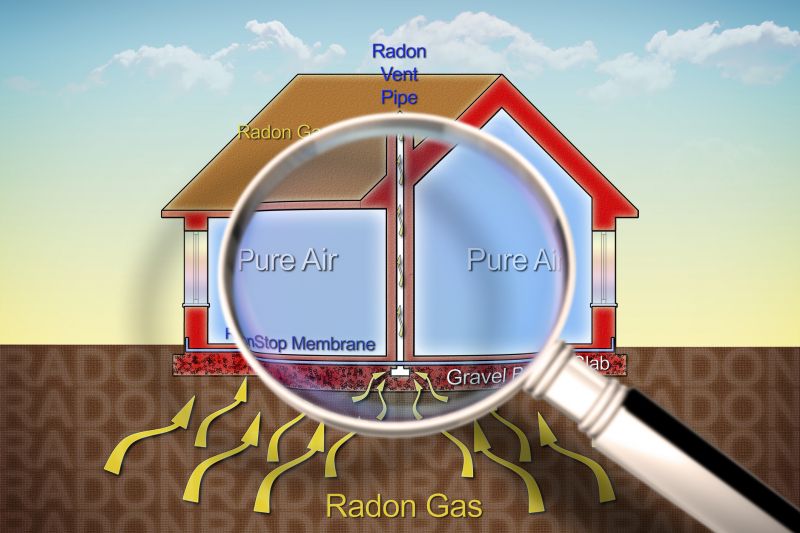
Radon removal services focus on reducing radon gas levels inside residential properties, helping homeowners create safer indoor environments. This service involves installing specialized ventilation systems that draw radon from beneath the home and vent it outside, preventing it from accumulating indoors. Projects typically include both new construction and existing homes where radon testing has indicated elevated levels, ensuring that indoor air quality is maintained at safe standards.
Property owners interested in radon removal often want to understand the process involved, the effectiveness of mitigation systems, and whether testing is necessary beforehand. It’s important to determine current radon levels through testing, as well as to consider the home’s foundation type and ventilation needs. Proper installation and maintenance of radon mitigation systems are essential for ongoing safety, making it useful to seek guidance on system performance and any potential impact on the home’s airflow.
Many property owners in Naperville, IL look into Radon Removal for repairs, replacements, upgrades, and appearance-related improvements.
Common Radon Removal Jobs
Radon mitigation systems - installations designed to reduce radon levels in residential and commercial properties.
Basement radon removal - targeted solutions to lower radon concentrations in underground living spaces.
New construction radon prevention - proactive measures to prevent radon entry during building phases.
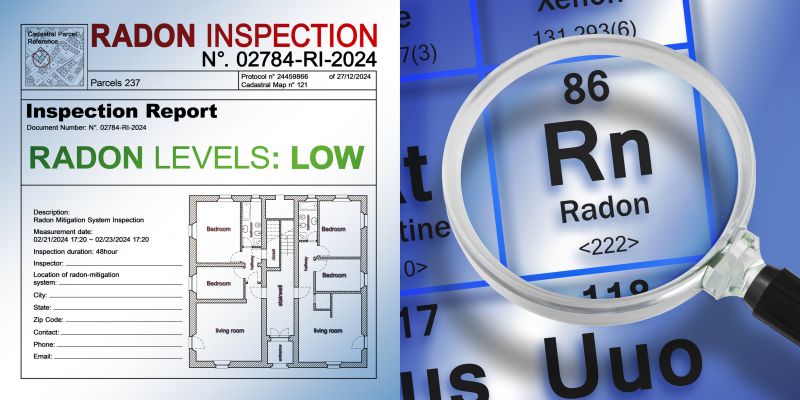
Radon testing and inspection - assessments to identify radon levels and determine the need for removal services.
Sump pump radon venting - systems integrated with existing sump pumps to vent radon safely outside.
Sealing and ventilation improvements - upgrades to reduce radon seepage and improve indoor air quality.
Radon Removal Questions
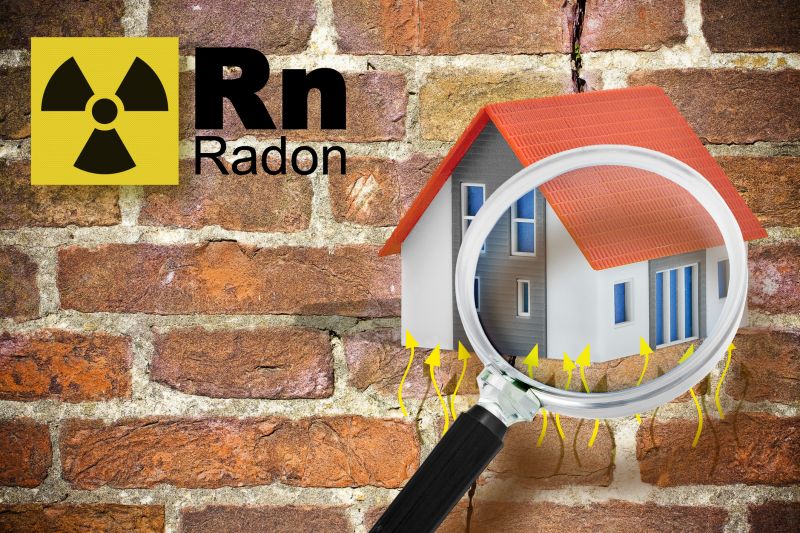
What is radon removal? Radon removal involves reducing radon gas levels inside a property to improve indoor air quality and safety.
When is radon removal needed? Radon removal is recommended if radon testing shows levels above safety guidelines or if there is a history of radon in the area.
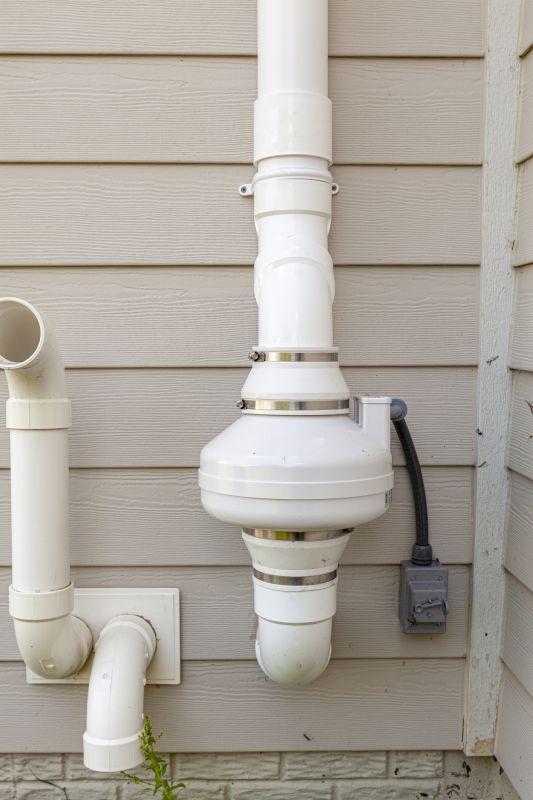
How does radon removal work? The process typically uses ventilation systems to vent radon gas from beneath the building to the outside environment.
Are radon removal systems permanent? Yes, installed systems are designed for long-term operation to maintain safe radon levels indoors.
Request Radon Removal in Naperville, IL
Use the quote form on this page to share the basics of your project and request more information for the type of work you need.